REVITALIZING ÄLVSJÖ

Master Thesis in Sustainable Urban Design · KTH Royal Institute of Technology · Stockholm, Sweden · 2012
CONCEPT & DESIGN
Revitalizing Älvsjö was developed as my Master Thesis in Sustainable Urban Design at KTH Royal Institute of Technology in Stockholm, Sweden. The project explores how public space can become a strategic tool for reconnecting a fragmented neighborhood and strengthening urban life.


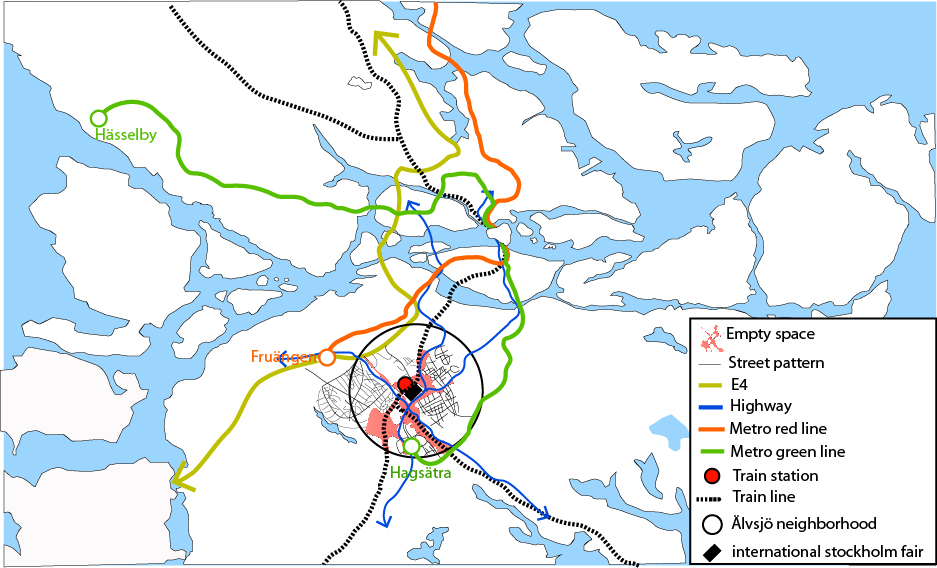
Located in southwest Stockholm, Älvsjö is an important transportation and event destination, home to Stockholmsmässan (Stockholm International Fairs) and one of the area’s major railway stations. Rail lines, highways, and regional transportation infrastructure provide exceptional connectivity to Stockholm and beyond. At the same time, these large-scale systems have created physical barriers within the neighborhood, fragmenting the urban fabric and weakening connections between different areas and communities.
The thesis began with an analysis of this contradiction: Älvsjö is highly connected at the regional scale, yet fragmented at the local scale. The project therefore explored how the same infrastructure that contributes to separation could also become a catalyst for urban regeneration.


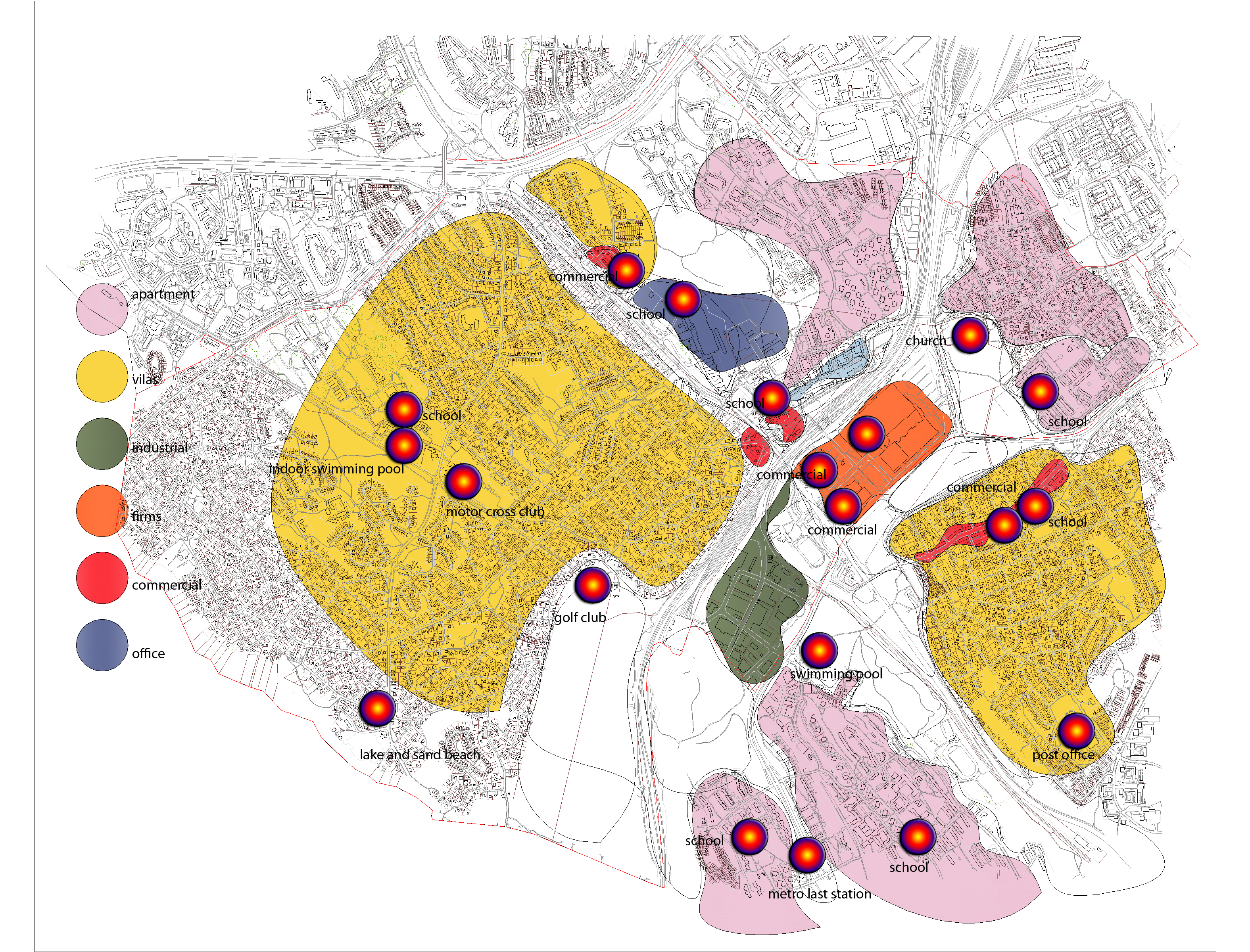
Site analysis identified a major opportunity in the concentration of transportation infrastructure and Stockholmsmässan. Together, the station and international exhibition center bring large numbers of visitors into Älvsjö, creating significant potential for economic activity, cultural exchange, and a more active public realm.
At the same time, the study identified a disconnect between local residents and visitors. Despite the continuous movement of people through the area, the existing urban environment provides limited opportunities for these different populations to meet, interact, or share meaningful public spaces. Much of this activity therefore passes through Älvsjö rather than contributing to the everyday life of the neighborhood.
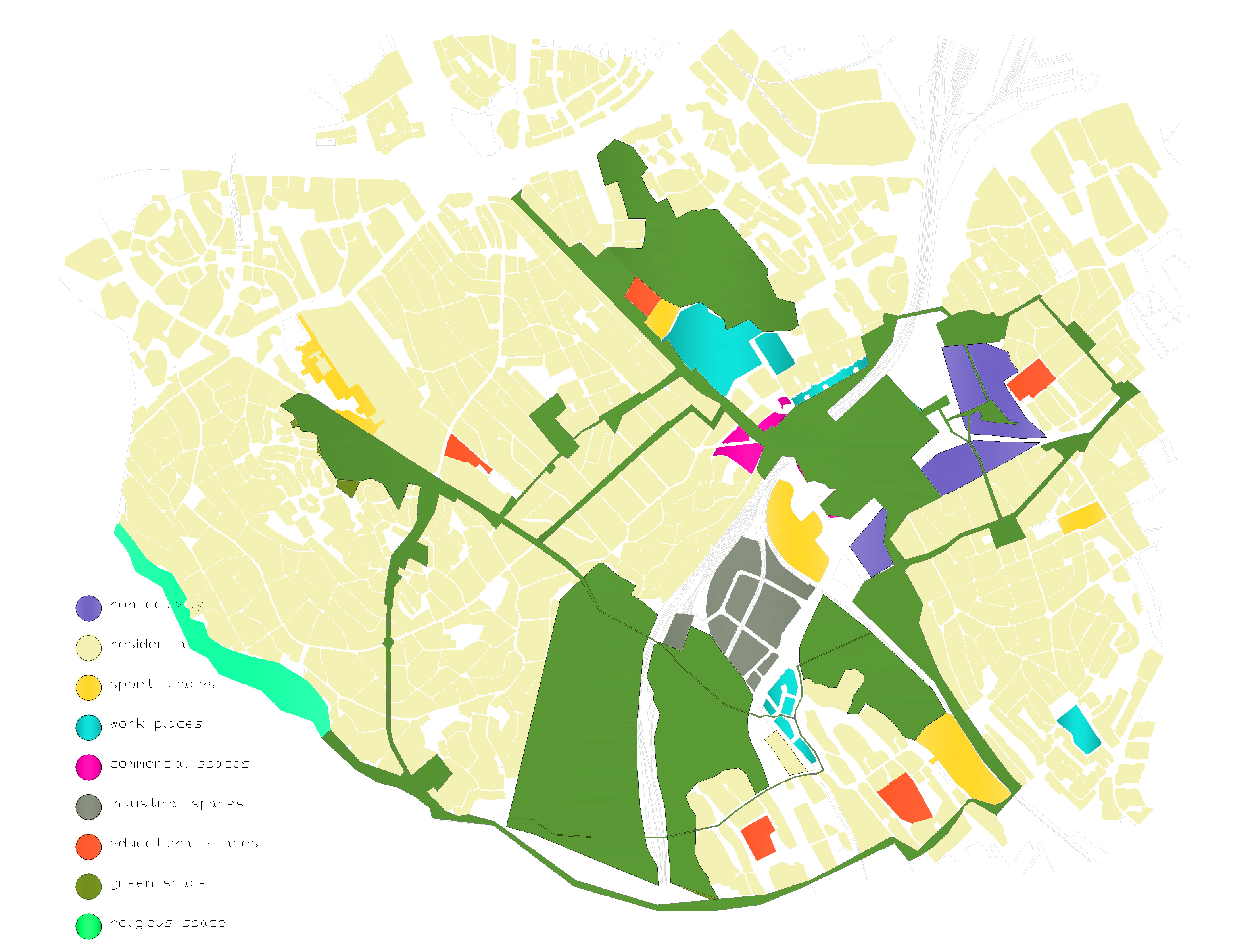
A second challenge was the physical fragmentation created by transportation infrastructure. Rail corridors, roads, and large infrastructure zones divide the area and interrupt pedestrian continuity, making it difficult for surrounding neighborhoods to function as parts of a connected urban environment.


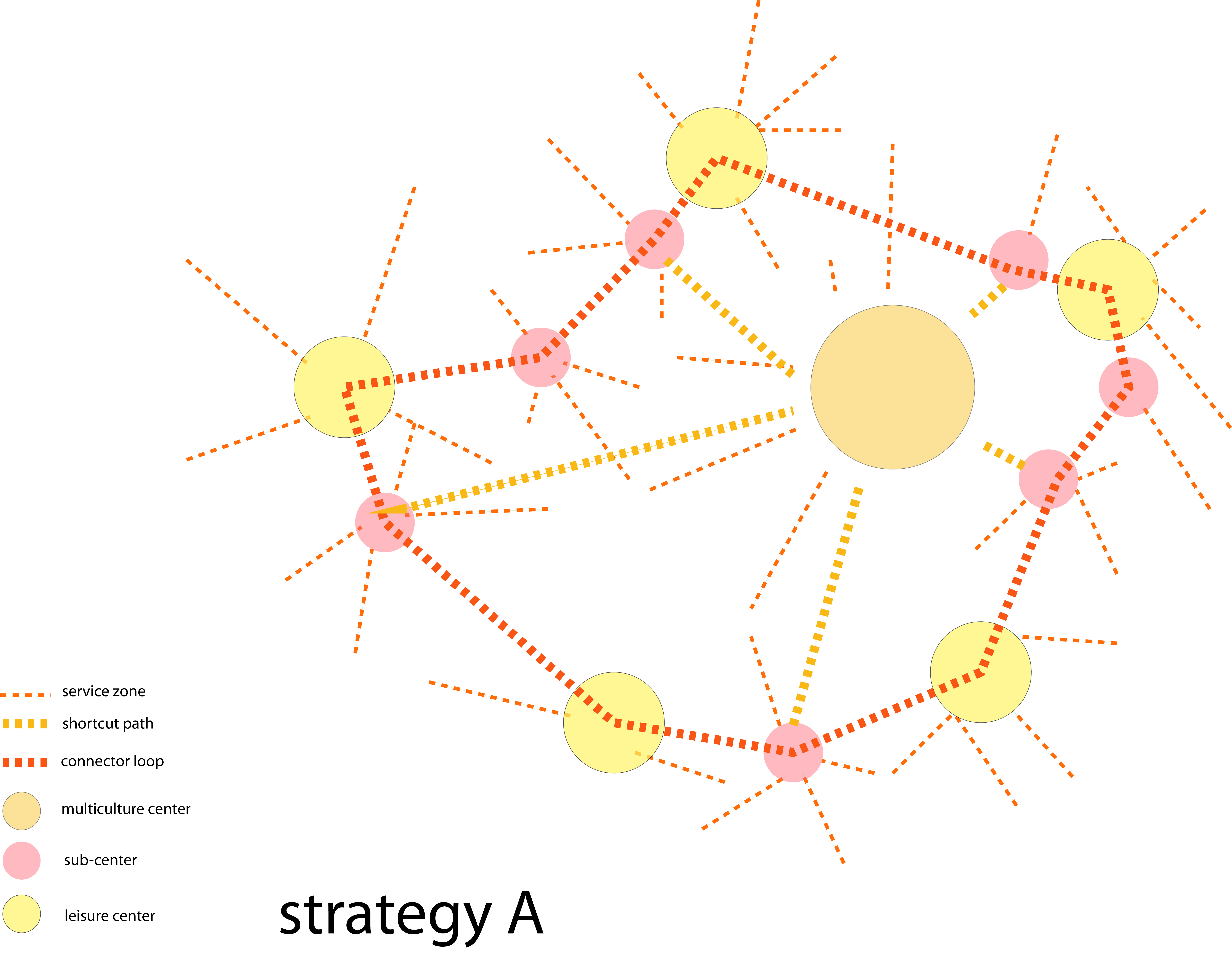
The design strategy responds to these conditions by using public space, pedestrian connections, mixed urban activity, and strategic interventions around major movement corridors to reconnect the neighborhood. Rather than treating infrastructure only as a barrier, the proposal seeks to leverage its accessibility and intensity to generate new opportunities for social interaction and urban development.
The resulting vision transforms Älvsjö from primarily a place of transit into a more connected urban destination—one where movement, public life, community, and regional infrastructure can coexist and reinforce one another.
URBAN DESIGN STRATEGY
01 RECONNECT THE URBAN FABRIC
New spatial connections address fragmentation and strengthen relationships between previously separated parts of Älvsjö.
03 BRIDGING INFRASTRUCTURE
Design interventions respond to railways and major roads as physical barriers while taking advantage of the accessibility they provide.
05 PEDESTRIAN CONNECTIVITY
Improved pedestrian routes strengthen local movement and create more continuous connections between neighborhoods, transit, public spaces, and major destinations.
02 PUBLIC SPACE AS CATALYST
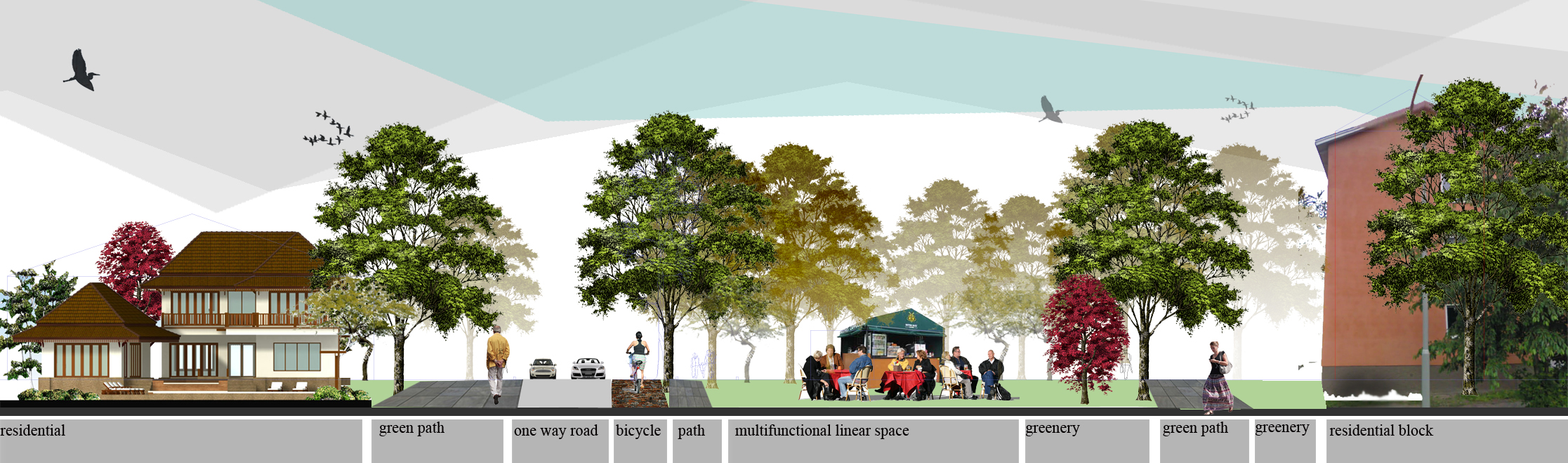
Public space becomes an active tool for regeneration, creating places for gathering, interaction, and everyday urban life.
04 RESIDENT & VISITOR CONNECTION
Shared urban spaces create opportunities for interaction between local communities and visitors arriving through the station and Stockholmsmässan.
06 TRANSIT-LED REVITALIZATION
The concentration of regional transportation and international activity is used as a catalyst for economic, social, and spatial development.